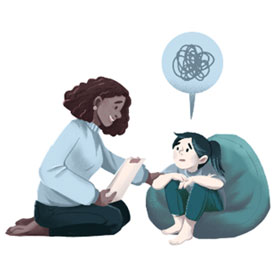

Mental Health refers to a person’s emotional, psychological, and social well-being. It shapes how individuals think, feel, and act, and influences how they handle stress, relate to others, and make choices. Mental health is not just the absence of mental illness; it is a state of balance where a person can function effectively, cope with normal life challenges, and contribute to their community. For individuals seeking professional support.consulting the Best Clinical Psychologist in Vashi can be an important step toward achieving this balance.
Mental health exists on a spectrum and can change over time due to various factors. Biological influences such as genetics and brain chemistry play a role, as do life experiences like trauma, loss, or abuse. Environmental factors, including family, culture, education, and socioeconomic conditions, also significantly impact mental well-being. Everyday stressors—such as work pressure, academic demands, or relationship issues—can affect mental health if not managed properly.
Common mental health conditions include depression, anxiety disorders, and stress-related problems. These conditions are common and treatable, yet stigma and lack of awareness often prevent people from seeking help. Poor mental health can lead to difficulties in concentration, decision-making, and maintaining relationships, and in severe cases, it may affect physical health as well.
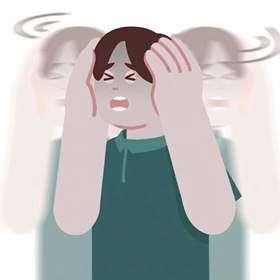
Maintaining good mental health involves adopting healthy habits such as regular exercise, balanced nutrition, sufficient sleep, and mindfulness practices. Building strong social connections and having a support system are equally important. Seeking professional help from therapists, counselors, or the Best Clinical Psychologist in Vashi when needed is a sign of strength, not weakness.
When you’re dealing with someone’s unique emotional, psychological, and personal needs, the biggest mistake is assuming a one-size-fits-all approach will work. It won’t. Every individual carries a different mix of experiences, beliefs, sensitivities, and coping mechanisms, so the way they respond to situations is deeply personal.Schedule an appointment with Best Clinical Psychologist in Vashi.
Emotionally, people vary in how they process and express feelings. Some are open and articulate, while others suppress or struggle to identify what they feel. You need to pay attention not just to what is said, but how it’s said—tone, pauses, and even avoidance can reveal more than words. Emotional awareness means recognizing these cues without jumping to conclusions.
Psychologically, each person operates from their own internal framework shaped by upbringing, trauma, culture, and environment. What feels like a small issue to one person may be overwhelming to another. Instead of judging reactions, it’s more effective to understand the “why” behind them. This requires patience and curiosity rather than assumptions.
Persona - the outward identity someone presents—adds another layer. People often show a version of themselves that feels safe or socially acceptable, not necessarily their full reality. If you only engage with that surface persona, you’ll miss what’s actually driving their behavior. Building trust is key to moving beyond that layer.
The practical approach is simple but not easy:listen actively, avoid projecting your own expectations, and adapt your response based on the individual in front of you. Ask clarifying questions instead of assuming intent. Respect boundaries, because not everyone is ready to open up at the same pace.
Ultimately, dealing with unique human needs means staying flexible. The more you try to “standardize” people, the more disconnected your response becomes. Real understanding comes from meeting people where they are, not where you expect them to be.
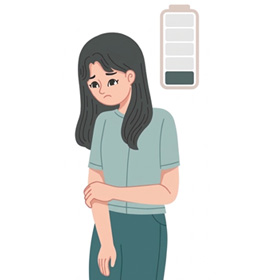
Life transitions—such as changing careers, relocating, ending relationships, or entering new life stages—often bring a mix of excitement and stress. While change can open doors to growth, it also disrupts routines, identities, and a sense of stability. Many people struggle with uncertainty, fear of the unknown, and the pressure to quickly adapt. Emotional responses like anxiety, self-doubt, or even grief are common, especially when leaving behind familiar environments or roles. Adjusting requires time, patience, and resilience, yet modern life often demands immediate performance, leaving little space to process change. Social support may also shift during transitions, increasing feelings of isolation. Financial or practical challenges can further complicate the adjustment period. Successfully navigating these phases involves accepting discomfort as part of growth, seeking support, and gradually building new routines. Over time, these experiences can strengthen adaptability, self-awareness, and confidence in handling future changes.

Depression is a common mental health condition marked by persistent sadness, loss of interest in activities, low energy, and difficulty concentrating. It affects how a person thinks, feels, and functions in daily life. Unlike temporary sadness, depression lasts for weeks or longer and can interfere with sleep, appetite, work, and relationships. It may also involve feelings of hopelessness, worthlessness, or even thoughts of self-harm.A mood disorder is a broader category of mental health conditions that primarily affect a person’s emotional state. Depression is one type of mood disorder. Others include bipolar disorder, where a person experiences extreme mood swings between depressive lows and manic highs. Mood disorders can vary in severity and duration, but they all disrupt emotional balance. These conditions are influenced by a mix of biological, psychological, and environmental factors, and they are treatable with therapy, medication, and lifestyle changes.
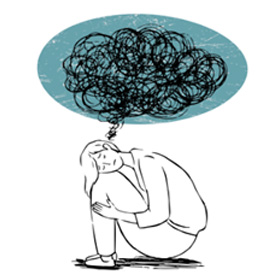
Anxiety is a natural response to stress or perceived danger, but when it becomes excessive, persistent, or hard to control, it may develop into an anxiety disorder. It often involves constant worry, restlessness, irritability, muscle tension, and difficulty concentrating. Anxiety can affect daily life, making routine tasks feel overwhelming, even when there is no immediate threat.
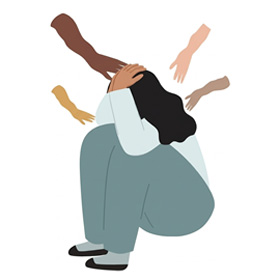
Helping you understand and manage unwanted thoughts, and develop healthier thinking patterns so you can feel more grounded and in control.
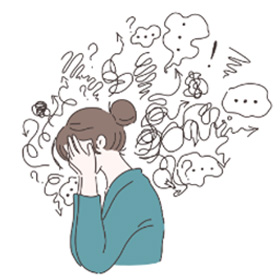
Helping you gradually face and overcome specific fears in a safe, supported way.
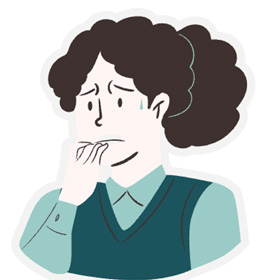
Supporting students to manage academic pressure with focus on cultivating faith in yourself, building resilience, and learning coping techniques.
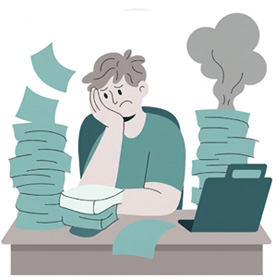
Navigating relational challenges, communication patterns, and emotional needs.

Addressing underlying patterns and supporting healthier ways of coping.
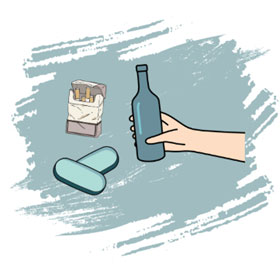
Providing psychosocial support to manage the emotional impact of long-term health conditions and navigating associated challenges and change in lifestyle.
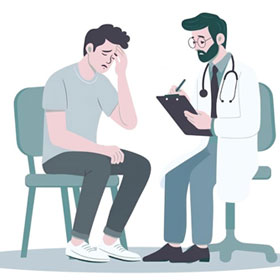
Exploring sleep-related difficulties and building healthier sleep routines and habits.
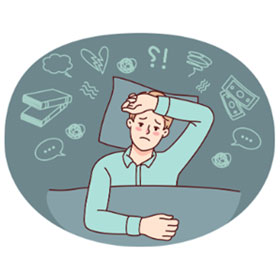
Supporting children and caregivers with emotional, behavioural, and developmental needs.