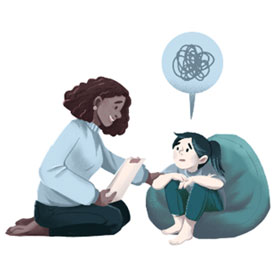

If you are searching for the Best Counsellor in Vashi you’re likely looking for someone who truly understands your concerns and offers practical, compassionate support. Mental health has become a priority for many individuals today, and finding the right therapist can make a meaningful difference in how you cope, heal, and grow. Whether you’re dealing with stress, anxiety, relationship issues, or deeper emotional challenges, professional counselling provides a safe space to explore your thoughts without judgment.being a well-developed locality, has seen a growing demand for mental health services. A qualified counsellor or therapist in this area is trained to help individuals navigate life’s difficulties with structured guidance and evidence-based techniques. The best therapists focus not only on symptoms but also on understanding the root cause of your concerns, helping you achieve long-term emotional balance.
Best Counsellor in Vashi will typically begin by building trust and rapport. This is essential because therapy works best when you feel comfortable sharing openly. Sessions are designed to help you express your thoughts, identify patterns in your behavior, and develop healthier coping mechanisms. Whether it’s cognitive behavioral therapy, talk therapy, or mindfulness-based approaches, the goal is always to improve your mental well-being and quality of life.
People seek therapy for various reasons. Some struggle with anxiety and constant overthinking, while others may feel overwhelmed due to work pressure or personal responsibilities. Relationship conflicts, family issues, and major life transitions can also create emotional distress. In such situations, a skilled therapist helps you gain clarity and perspective. Instead of feeling stuck, you begin to see solutions and develop resilience.
One of the key benefits of choosing a Best Counsellor in Vashi is accessibility. You don’t have to travel far to receive expert support. Many therapists in the area also offer flexible appointment options, including online sessions, making it easier for working professionals and students to prioritize their mental health. This convenience ensures that therapy becomes a consistent part of your routine rather than something you postpone.

Building self-esteem is about changing how you see and treat yourself over time. Start by becoming aware of your inner voice—notice negative self-talk and challenge it with more balanced thoughts. Focus on your strengths instead of obsessing over flaws. Set small, realistic goals and follow through; keeping promises to yourself builds confidence. Surround yourself with people who support and respect you, and limit time with those who drain you. Take care of your body—sleep, exercise, and nutrition directly affect how you feel mentally. Accept that failure is part of growth, not proof of inadequacy. Practice self-compassion: talk to yourself the way you would to a friend. Finally, stop comparing your life to others—most comparisons are unfair and unrealistic. Self-esteem isn’t built overnight, but consistent small actions create a stronger, more confident sense of self.
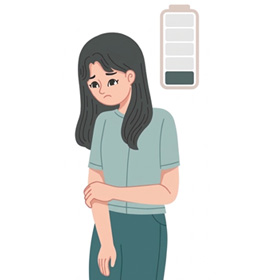
Building self-esteem and confidence is a process of consistent, intentional habits. Start by becoming aware of your inner dialogue—if you constantly criticize yourself, you’ll feel small. Challenge those thoughts and replace them with realistic, supportive ones. Focus on what you can do, not just what you lack.Set small, achievable goals and complete them. Confidence grows when you prove to yourself that you can follow through. Stop waiting to “feel ready”—take action first, and confidence will catch up. Also, learn from failure instead of taking it personally; mistakes are part of growth, not evidence of weakness.
Your environment matters. Spend time with people who respect and encourage you, and limit exposure to negativity.Take care of your physical health—exercise, sleep, and proper nutrition directly impact your mood and self-image.Another key step is keeping promises to yourself. When you say you’ll do something, do it. This builds trust in yourself. Finally, stop comparing your journey to others. Most comparisons are unrealistic and damage your self-worth. Real confidence comes from progress, self-respect, and showing up for yourself consistently, even on difficult days.

Building confidence rooted in self-awareness.

Understanding avoidance patterns and developing strategies to take action with clarity.

Providing space to navigate the complex emotions of loss.

Healing from overwhelming experiences and adversities, and focus on being more functional and self-equipped.

Working collaboratively to understand emotional and thought patterns and restore a sense of wellbeing.

Equipping you with tools to manage your worries and fear, and regain a sense of control.

Helping you understand and manage unwanted thoughts, and develop healthier thinking patterns so you can feel more grounded and in control.

Helping you gradually face and overcome specific fears in a safe, supported way.

Supporting students to manage academic pressure with focus on cultivating faith in yourself, building resilience, and learning coping techniques.

Navigating relational challenges, communication patterns, and emotional needs.

Addressing underlying patterns and supporting healthier ways of coping.

Providing psychosocial support to manage the emotional impact of long-term health conditions and navigating associated challenges and change in lifestyle.

Exploring sleep-related difficulties and building healthier sleep routines and habits.

Supporting children and caregivers with emotional, behavioural, and developmental needs.