
Taking care of your mental health is just as important as maintaining your physical health, yet it is often overlooked in today’s fast-paced world. If you are searching for the Best Psychologist in Vashi it is important to choose someone who offers not only professional expertise but also genuine empathy and understanding. Mental health support is not just about solving problems; it is about helping you build a stronger, healthier, and more balanced life.At our psychology clinic in Vashi, we provide a safe and confidential space where you can speak freely about your thoughts, emotions, and challenges. Many people hesitate to seek help because they feel judged or misunderstood, but our approach ensures that every individual feels heard, respected, and supported throughout their journey.
Modern life brings with it a wide range of stressors, including work pressure, relationship challenges, academic expectations, and personal struggles. Over time, these pressures can affect emotional well-being and lead to anxiety, depression, or a constant feeling of being overwhelmed. A professional psychologist helps you understand the root of these issues and guides you toward healthier ways of thinking and coping. Rather than offering temporary relief, therapy focuses on long-term emotional growth and resilience.
Our services are designed to cater to individuals of all age groups. Whether you are dealing with stress, anxiety, or deeper emotional concerns, each session is tailored to your specific needs. Therapy is not a one-size-fits-all solution, which is why we take the time to understand your unique situation before creating a personalized approach.
One of the most common concerns people face today is anxiety. It can manifest in different ways, such as constant worry, Restlessness difficulty concentrating, or even physical symptoms like rapid heartbeat. With the right therapeutic techniques, anxiety can be managed effectively, allowing you to regain control over your thoughts and emotions. Similarly, depression can affect motivation, energy levels, and overall outlook on life. Professional counseling provides the support and tools needed to gradually overcome these feelings and rediscover a sense of purpose and positivity.
Relationships also play a crucial role in emotional well-being. Miscommunication, conflicts, and unmet expectations can create stress between partners or family members. Through counselling, individuals and couples can learn how to communicate better, resolve conflicts in a healthy manner, and rebuild emotional connections. Therapy creates a neutral space where both perspectives are understood, leading to more meaningful and lasting improvements in relationships.
Children and teenagers today face their own unique set of challenges, especially in academic and social environments. Early intervention through counseling can help them manage stress, improve confidence, and develop better emotional regulation skills. Supporting mental health at a young age lays the foundation for a healthier future.Another important aspect of psychological support is personal growth. Many individuals seek therapy not because something is wrong, but because they want to understand themselves better and improve their quality of life. Whether it is gaining clarity in career decisions, improving self-confidence, or breaking negative patterns, therapy can be a powerful tool for transformation.
What truly makes a psychologist stand out is the ability to combine professional knowledge with a compassionate approach. At our Vashi clinic, we use evidence-based techniques such as cognitive behavioral therapy to help identify and change negative thought patterns. The focus is always on practical solutions that can be applied in daily life, making therapy both effective and meaningful.Confidentiality and trust are at the core of every session. We understand that opening up about personal struggles requires courage, and we ensure that your privacy is always protected. The environment is designed to make you feel comfortable, allowing you to express yourself without fear or hesitation.
Confidentiality and trust are at the core of every session. We understand that opening up about personal struggles requires courage, and we ensure that your privacy is always protected. The environment is designed to make you feel comfortable, allowing you to express yourself without fear or hesitation.Conveniently located in Vashi, our clinic is easily accessible for residents of Navi Mumbai and nearby areas. With flexible appointment options, including online consultations, it becomes easier for individuals to prioritize their mental health without disrupting their routine.
Taking the first step toward therapy can feel difficult, but it is also the most important step toward healing and growth. You do not have to face your struggles alone. With the right guidance and support, it is possible to overcome challenges, build emotional strength, and create a more fulfilling life.If you are looking for the Best Psychologist in Vashi now is the right time to invest in your mental well-being. Professional help can make a lasting difference, helping you move forward with confidence, clarity, and peace of mind.

Self-esteem is the foundation on which confidence is built. It reflects how you see and value yourself. When your self-esteem is healthy, you believe that you are capable, worthy, and able to handle challenges. This belief directly influences your actions, which is where confidence starts to develop.When a person has good self-esteem, they tend to have a positive inner voice. Instead of doubting themselves, they encourage themselves to try. This reduces fear of failure because mistakes are seen as learning opportunities rather than personal weaknesses. As a result, they are more willing to take risks and step out of their comfort zone.Each time they take action and achieve even a small success, it strengthens their belief in their abilities. Over time, these repeated experiences create a sense of confidence. Even when they face setbacks, strong self-esteem helps them stay resilient and try again.

Procrastination is the act of delaying or postponing tasks despite knowing that doing so may lead to negative consequences. It is not simply laziness; rather, it often involves complex psychological factors such as fear of failure, perfectionism, lack of motivation, or feeling overwhelmed. When a task appears difficult or unpleasant, the brain tends to seek immediate comfort by shifting attention to easier or more enjoyable activities, like scrolling on a phone or watching videos.This behavior is closely linked to how the brain manages short-term rewards versus long-term goals.Immediate gratification feels more satisfying, so people put off important responsibilities, even when they understand the future cost. Over time, procrastination can lead to stress, anxiety, reduced productivity, and lower self-confidence, especially when deadlines approach and pressure increases.
Procrastination can also become a habit if repeated frequently. The more someone delays tasks, the harder it becomes to break the cycle. However, it can be managed with strategies such as breaking tasks into smaller steps, setting clear deadlines, removing distractions, and building disciplined routines. Understanding the root cause is key to overcoming it and improving overall performance and well-being.

Grief and loss refer to the emotional, psychological, and sometimes physical responses people experience after losing someone or something important. This loss may involve the death of a loved one, the end of a relationship, loss of health, a job, or even a significant life change. Grief is a natural and deeply personal process, and it affects individuals in different ways depending on their personality, culture, and circumstances.Common feelings associated with grief include sadness, anger, guilt, confusion, and loneliness. Some people may also experience physical symptoms such as fatigue, changes in appetite, or difficulty sleeping. The process of grieving is often described in stages—denial, anger, bargaining, depression, and acceptance—but not everyone experiences these stages in the same order or intensity.Loss disrupts a person’s sense of stability and can make it difficult to adjust to daily life. Over time, however, most people gradually learn to cope with the absence and find ways to move forward while still honoring what was lost. Support from family, friends, or counselors can play a crucial role in healing. Grief does not completely disappear, but it often becomes more manageable as individuals adapt and rebuild their lives.

Confidentiality and trust are at the core of every session. We understand that opening up about personal struggles requires courage, and we ensure that your privacy is always protected. The environment is designed to make you feel comfortable, allowing you to express yourself without fear or hesitation.Conveniently located in Vashi, our clinic is easily accessible for residents of Navi Mumbai and nearby areas. With flexible appointment options, including online consultations, it becomes easier for individuals to prioritize their mental health without disrupting their routine.
Taking the first step toward therapy can feel difficult, but it is also the most important step toward healing and growth. You do not have to face your struggles alone. With the right guidance and support, it is possible to overcome challenges, build emotional strength, and create a more fulfilling life.If you are looking for the Best Psychologist in Vashi now is the right time to invest in your mental well-being. Professional help can make a lasting difference, helping you move forward with confidence, clarity, and peace of mind.

Depression and mood swings are increasingly common mental health concerns that can significantly affect a person’s daily life, relationships, and overall well-being. Depression is more than just feeling sad—it is a persistent condition marked by low energy, loss of interest, difficulty concentrating, and changes in sleep or appetite. Mood swings, on the other hand, involve rapid and intense shifts in emotional states, often leaving individuals feeling overwhelmed and out of control.These issues can stem from various factors, including stress, trauma, hormonal imbalances, or underlying psychological conditions.
Seeking professional help is crucial for proper diagnosis and treatment. Therapy, counseling, and sometimes medication can help individuals regain stability and improve their quality of life. Early intervention often leads to better outcomes, preventing symptoms from worsening over time. If you or someone you know is struggling, consulting the Best Psychiologist in Vashi can be a vital step toward recovery. A qualified specialist can provide personalized care, coping strategies, and emotional support tailored to individual needs. Remember, mental health is just as important as physical health, and seeking help is a sign of strength, not weakness.
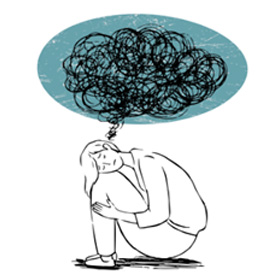
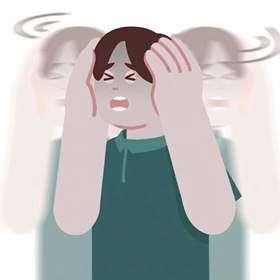
Anxiety is a natural response to stress or perceived danger,but when it becomes excessive or persistent, it can interfere with daily life. People with anxiety often experience constant worry, restlessness, difficulty concentrating, irritability, and physical symptoms like a racing heart, sweating, or muscle tension. While occasional anxiety is normal, chronic anxiety can feel overwhelming and difficult to control.A panic attack is a sudden and intense episode of fear that triggers severe physical reactions, even when there is no real threat. It typically peaks within minutes and may include symptoms such as chest pain, shortness of breath, dizziness, trembling, and a feeling of losing control or impending doom. Many people mistake panic attacks for heart attacks due to their intensity.Anxiety and panic attacks are closely related, as frequent anxiety can increase the likelihood of experiencing panic episodes. Triggers may include stress, trauma, phobias, or even certain lifestyle factors like lack of sleep or excessive caffeine intake.Effective management includes therapy, relaxation techniques, breathing exercises, and in some cases, medication. With proper support and coping strategies, individuals can reduce symptoms and regain control over their mental and emotional well-being.
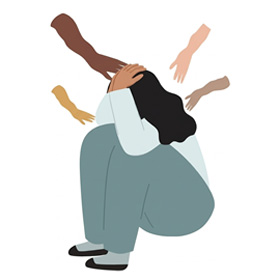
Intrusive overthinking refers to unwanted, repetitive thoughts that enter the mind without control and are often distressing. These thoughts can be negative, irrational, or fear-based, and they tend to loop continuously, making it difficult to focus on anything else. People may overanalyze past situations, worry excessively about the future, or imagine worst-case scenarios. This mental pattern is commonly linked to anxiety, stress, or conditions like obsessive thinking, and it can lead to emotional exhaustion over time.The feeling of being “lost” often accompanies intrusive overthinking. It is a state where individuals feel disconnected from themselves, their goals, or their surroundings. They may experience confusion, lack of direction, low motivation, or a sense of emptiness. This can make even simple decisions feel overwhelming and create a cycle where overthinking intensifies the feeling of being stuck.Schedule an Appointment with Best Psychologist in Vashi
Both intrusive thoughts and feeling lost can impact daily functioning, relationships, and self-confidence. However, they are manageable with the right approach. Mindfulness, grounding techniques, journaling, and therapy can help break the cycle of overthinking and restore clarity. Understanding that these thoughts do not define reality is an important step toward regaining emotional balance and a sense of purpose.
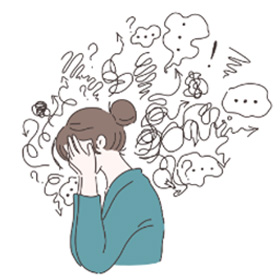
Fear and phobia are both emotional responses to perceived danger, but they differ in intensity, reason, and impact on daily life.Fear is a natural and healthy reaction to a real or immediate threat. It helps protect us by triggering the body’s “fight or flight” response. For example, feeling afraid when seeing a snake or during a dangerous situation is normal. Fear is usually temporary and disappears once the threat is gone.A phobia, on the other hand, is an intense, irrational, and persistent fear of a specific object, situation, or activity that poses little or no actual danger. Common examples include fear of heights, spiders, or flying. Unlike normal fear, a phobia can interfere with a person’s daily routine, relationships, and overall well-being.People with phobias often go to great lengths to avoid what they fear, even if it limits their life. The reaction can be extreme, including panic attacks, sweating, rapid heartbeat, or nausea.In short, fear is a normal, protective response to danger, while a phobia is an exaggerated and unreasonable fear that can disrupt everyday life.

Exam stress is a common psychological condition experienced by students before or during examinations. It is a feeling of pressure, anxiety, or nervousness related to academic performance and fear of failure. While a moderate level of stress can motivate students to study and stay focused, excessive exam stress can negatively affect both mental and physical health.The causes of exam stress include high expectations from parents or teachers, lack of preparation, fear of poor results, and competition among peers.Poor time management and negative thinking also contribute to increased stress levels. Students may experience symptoms such as headaches, difficulty concentrating, sleep problems, irritability, and loss of appetite.Exam stress can impact performance by reducing memory, concentration, and confidence. Students may feel overwhelmed and unable to recall what they have studied. In severe cases, it may lead to anxiety disorders or burnout.Managing exam stress is important for maintaining well-being. Effective strategies include proper planning, regular revision, taking breaks, getting enough sleep, and practicing relaxation techniques like deep breathing or meditation. Talking to friends, family, or teachers can also help reduce anxiety.In Conclusion, exam stress is a normal experience, but it should be controlled to ensure healthy learning and better academic performance.
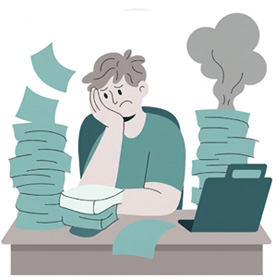
Relationship concerns are the doubts, conflicts, and emotional challenges that arise between partners over time. These concerns often stem from issues like poor communication, lack of trust, unmet expectations, or differences in values and priorities. When partners struggle to express their feelings openly or listen to each other, misunderstandings can grow, leading to frustration and emotional distance.Trust is another major factor. Past experiences, dishonesty, or insecurity can create suspicion, making it difficult for individuals to feel safe and supported in the relationship. Similarly, unmet emotional or physical needs may cause resentment if not addressed constructively.
External pressures—such as work stress, financial problems, or family expectations—can also strain relationships. Over time, these pressures may reduce quality time together and weaken emotional connection.Another common concern is the fear of change. As individuals grow, their goals and personalities may evolve, sometimes creating a gap between partners. Without effort to adapt and grow together, this can lead to feelings of incompatibility.Addressing relationship concerns requires honesty, empathy, and willingness to compromise. Open communication, mutual respect, and consistent effort from both partners are essential to maintaining a healthy and fulfilling relationship.

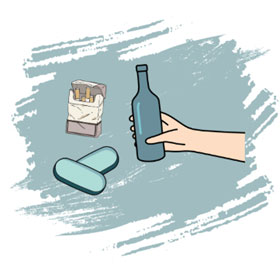
Addiction and habit control are closely related but differ in intensity and impact. A habit is a repeated behavior formed through routine and reinforcement, such as checking your phone frequently or drinking coffee every morning. Addiction, on the other hand, is a more severe condition where a person becomes physically or psychologically dependent on a substance or behavior, continuing it despite harmful consequences.Addiction often involves changes in brain chemistry, particularly in the reward system, making it difficult to resist cravings. Substances like nicotine or alcohol, as well as behaviors like gambling or excessive social media use, can trigger this cycle. Over time, the brain starts associating these activities with pleasure or relief, reinforcing the need to repeat them.
Habit control focuses on awareness and consistency. Since habits are automatic, breaking them requires conscious effort. Techniques such as identifying triggers, replacing negative habits with positive ones, and setting clear goals can help. For example, replacing late-night scrolling with reading or meditation can gradually shift behavior patterns.
In the case of addiction, stronger interventions may be needed. This can include therapy, support groups, or professional treatment.Self-control alone is often not enough, as addiction can overpower willpower.Both addiction and habits can be managed with patience and persistence. Building discipline, maintaining a supportive environment, and practicing self-awareness are key. Small, consistent changes over time can lead to healthier behaviors and improved overall well-being.
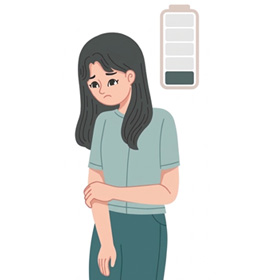
Chronic illness refers to long-term physical health conditions such as diabetes, arthritis, heart disease, or autoimmune disorders that often require ongoing management rather than a one-time cure. These conditions don’t just affect the body—they can significantly impact mental health as well.Living with a chronic illness can be exhausting, unpredictable, and sometimes painful. Over time, this can lead to emotional challenges like stress, anxiety, and depression. People may feel frustrated by physical limitations, worried about the future, or isolated if they cannot participate in everyday activities the way they used to. The constant need for treatment, medication, or lifestyle adjustments can also create a sense of loss of control.At the same time, mental health plays a crucial role in how individuals cope with chronic illness. Poor mental health can make it harder to follow treatment plans, maintain healthy habits, or stay motivated. This creates a cycle where physical and emotional health influence each other.Support systems, therapy, and healthy coping strategies—like mindfulness, exercise, and social connection—can help break this cycle. Managing both physical and mental health together is essential for improving overall quality of life and helping individuals adapt more positively to long-term conditions.
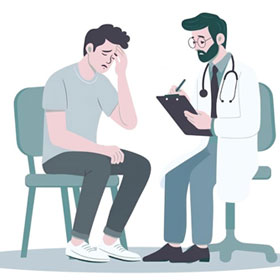
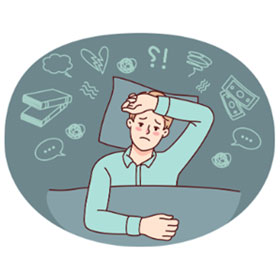
Sleep disturbance refers to problems that affect the quality, timing, or duration of sleep, making you feel tired or unrefreshed. It can happen due to lifestyle habits, stress, medical conditions, or environmental factors.One of the most common causes is stress and anxiety. When the mind is overactive, it becomes difficult to fall asleep or stay asleep. Poor sleep habits—like irregular bedtimes, excessive screen use before bed, or consuming caffeine late in the day—also disrupt the body’s natural sleep-wake cycle (circadian rhythm).
Sleep disorders such as Insomnia, Sleep Apnea, and Restless Legs Syndrome can significantly disturb sleep.These conditions may cause frequent awakenings, breathing interruptions, or uncomfortable sensations that prevent deep rest.Environmental factors like noise, light, or uncomfortable temperatures can further interfere with sleep. Additionally, mental health issues such as depression and physical illnesses like chronic pain also play a major role.
When sleep is disturbed regularly, it can lead to daytime fatigue, poor concentration, mood changes, and reduced productivity. Over time, chronic sleep disturbance may increase the risk of serious health problems, including heart disease and weakened immunity.Maintaining a consistent sleep routine and a healthy lifestyle is key to improving sleep quality.