
I draw from a range of therapeutic modalities to offer a deeply personalised and effective approach to mental health support, grounded in the belief that no two individuals are the same. As a Best Therapist in Vashi my work integrates trauma-focused therapy to help individuals safely process and heal from past experiences that may still be affecting their present.I also incorporate cognitive behavioural therapy (CBT) to identify and reframe negative thought patterns, enabling more balanced thinking and healthier behavioural responses.In addition, I use somatic techniques to bring awareness to how emotions are stored in the body, helping clients regulate their nervous system and release built-up stress or tension. Mindfulness practices are woven throughout the process to cultivate present-moment awareness, reduce anxiety, and improve emotional resilience. Acceptance-based approaches further support clients in developing a more compassionate relationship with difficult thoughts and feelings, rather than resisting or avoiding them.
Self-Compassion is at the heart of my work, encouraging individuals to move away from self-criticism and towards self-understanding and kindness.Where appropriate, I incorporate clinical hypnosis to access deeper states of relaxation and facilitate subconscious change. I also use art-based interventions, offering creative, non-verbal ways to express and process emotions. This integrative approach allows me, as a Best Therapist in Vashi to support holistic healing and meaningful, lasting personal growth.
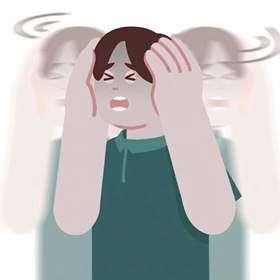
Life transitions are periods of change that shift a person’s roles, routines, or identity—such as moving to a new city, starting a job, ending a relationship, or entering a new life stage. While these transitions can bring growth and opportunity, they often come with adjustment difficulties because they disrupt familiarity and stability.
One major challenge is uncertainty. When the future feels unclear, people may experience anxiety or self-doubt. There’s also the loss of the old normal which can trigger grief, even if the change is positive. For example, a promotion may bring pride but also pressure and fear of failure.
Adjustment difficulties also stem from the need to rebuild routines, relationships, and a sense of control. Humans rely heavily on predictability, so adapting to new environments or expectations can feel mentally and emotionally exhausting. Social support may temporarily weaken during transitions, increasing feelings of isolation.
Additionally, internal factors—like personality, resilience, and past experiences—play a big role. Some individuals adapt quickly, while others need more time to process change.
Successfully navigating life transitions often involves patience, flexibility, and self-awareness.Developing coping strategies, seeking support, and accepting discomfort as part of growth can make transitions smoother and ultimately lead to personal development.

Self-esteem refers to how you value and perceive yourself—your sense of worth, confidence, and capability. It develops through experiences, relationships, and internal beliefs. Healthy self-esteem helps you handle criticism, take risks, and maintain emotional balance, while low self-esteem often leads to self-doubt, comparison, and fear of failure.Identity concerns involve questions about who you are, what you believe in, and where you belong. These concerns commonly arise during adolescence, major life changes, or periods of uncertainty. People may struggle with roles, values, cultural expectations, or personal goals, leading to confusion or inner conflict.
Self-esteem and identity are closely linked. When your sense of identity is unclear, it can weaken self-esteem. Likewise, low self-esteem can make it harder to form a stable identity. Addressing both involves self-reflection, supportive relationships, and gradually building confidence through meaningful experiences and choices.

Procrastination is the habit of delaying or avoiding tasks despite knowing there may be negative consequences. It’s not just laziness—it often stems from deeper factors like fear of failure, perfectionism, low motivation, or feeling overwhelmed. When a task feels too difficult or stressful, the brain seeks short-term relief by shifting to easier or more enjoyable activities.In the moment, procrastination can feel harmless or even comforting, but over time it increases stress, reduces productivity, and can damage self-confidence. Deadlines pile up, work quality suffers, and guilt or anxiety often follows.
Breaking procrastination requires practical strategies and mindset shifts. Breaking tasks into smaller steps, setting realistic goals, and using time-management techniques like the Pomodoro method can help. It’s also important to understand your personal triggers and build discipline gradually. Taking action, even in small amounts, creates momentum and reduces the urge to delay.

Depression is a common but serious mental health condition that affects how a person feels, thinks, and behaves. It goes beyond temporary sadness, often involving persistent low mood, loss of interest in activities, fatigue, difficulty concentrating, changes in sleep or appetite, and feelings of worthlessness or hopelessness. It can interfere with daily functioning, relationships, and overall quality of life.
Mood disorders are a broader category of mental health conditions characterized by significant disturbances in a person’s emotional state. These include depression as well as conditions like bipolar disorder, where individuals experience extreme mood swings between depressive lows and manic or elevated highs. Mood disorders may be caused by a combination of genetic, biological, environmental, and psychological factors. Early recognition, support, and treatment—such as therapy, medication, and lifestyle changes—can help manage symptoms effectively and improve well-being.
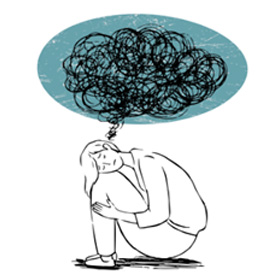
A panic attack is a sudden episode of intense fear or discomfort that peaks within minutes, often without an obvious cause. It triggers powerful physical and emotional symptoms that can feel overwhelming and frightening. Common signs include a racing heartbeat, shortness of breath, chest pain, dizziness, sweating, trembling, and a sense of losing control or impending doom. Some people even feel like they are having a heart attack or dying.
Panic attacks are linked to the body’s fight response, which becomes overactive even in non-dangerous situations. They can occur occasionally or as part of a condition like panic disorder.Although panic attacks are not physically harmful, they can significantly impact daily life if frequent. Treatment options include therapy (especially cognitive-behavioral therapy), relaxation techniques, and sometimes medication. Learning to recognize triggers and manage stress can help reduce their intensity and frequency over time.
Mental health refers to your emotional, psychological, and social well-being. It affects how you think, feel, and act, especially when dealing with stress, relationships, and decisions.
Self-esteem is how you perceive and value yourself. High self-esteem means feeling confident and worthy, while low self-esteem involves self-doubt and negative self-image.
They are closely linked. Poor self-esteem can lead to anxiety or depression, while good mental health supports a positive self-view and resilience.
It can stem from negative experiences, criticism, trauma, social pressure, or unrealistic expectations from oneself or others.
Practice self-care, challenge negative thoughts, set realistic goals, and surround yourself with supportive people. Small achievements build confidence over time.
If feelings of sadness, anxiety, or worthlessness persist or interfere with daily life, it’s important to talk to a counselor, therapist, or trusted person.
Yes, with awareness, support, and healthy habits, both mental health and self-esteem can improve significantly.


